How to Start a Vehicle with a Dead Battery and Why You Should Keep a Jump Starter Handy
A few freezing nights, an extended period without use, or simply leaving the lights on can be enough to leave you with an engine that won't start. A dead battery can disrupt your commute or an ATV trip. If insufficient battery power is the cause, a portable jump starter can provide an effective solution, allowing you to start the vehicle in an emergency without the help of another vehicle.
How to Recognize a Dead Battery
 Typical signs include slow cranking, a clicking sound when attempting to start the engine, or dim dashboard lights and vehicle lighting. However, similar symptoms can also be caused by poor electrical connections or a faulty starter.
Problems are more common in winter, when low temperatures reduce the battery's ability to deliver the necessary current. Short trips and long periods of inactivity also increase the risk, particularly with seasonally used motorcycles and ATVs.
How to Start a Vehicle Without Another Vehicle
 While conventional jumper cables require another vehicle, a portable jump starter has its own internal battery and can briefly deliver the high current needed to start an engine.
However, it must be sufficiently charged and suitable for the requirements of the specific vehicle. A jump starter is designed for emergency starting and is not a substitute for a battery charger or for repairing the underlying problem.
How to Use a Jump Starter Safely
 Before connecting the jump starter, verify that it is compatible with the vehicle and check the condition of the battery. Switch off the ignition and all electrical accessories, then connect the clamps with the correct polarity according to the manufacturer's instructions.
If the battery is damaged, leaking electrolyte, or suspected of being frozen, do not attempt to start the vehicle. Follow the permitted cranking intervals and, if repeated attempts are unsuccessful, determine the cause of the problem before trying again.
After the engine starts, disconnect the jump starter according to the instructions. A successful start does not mean that the vehicle's battery is fully charged again.
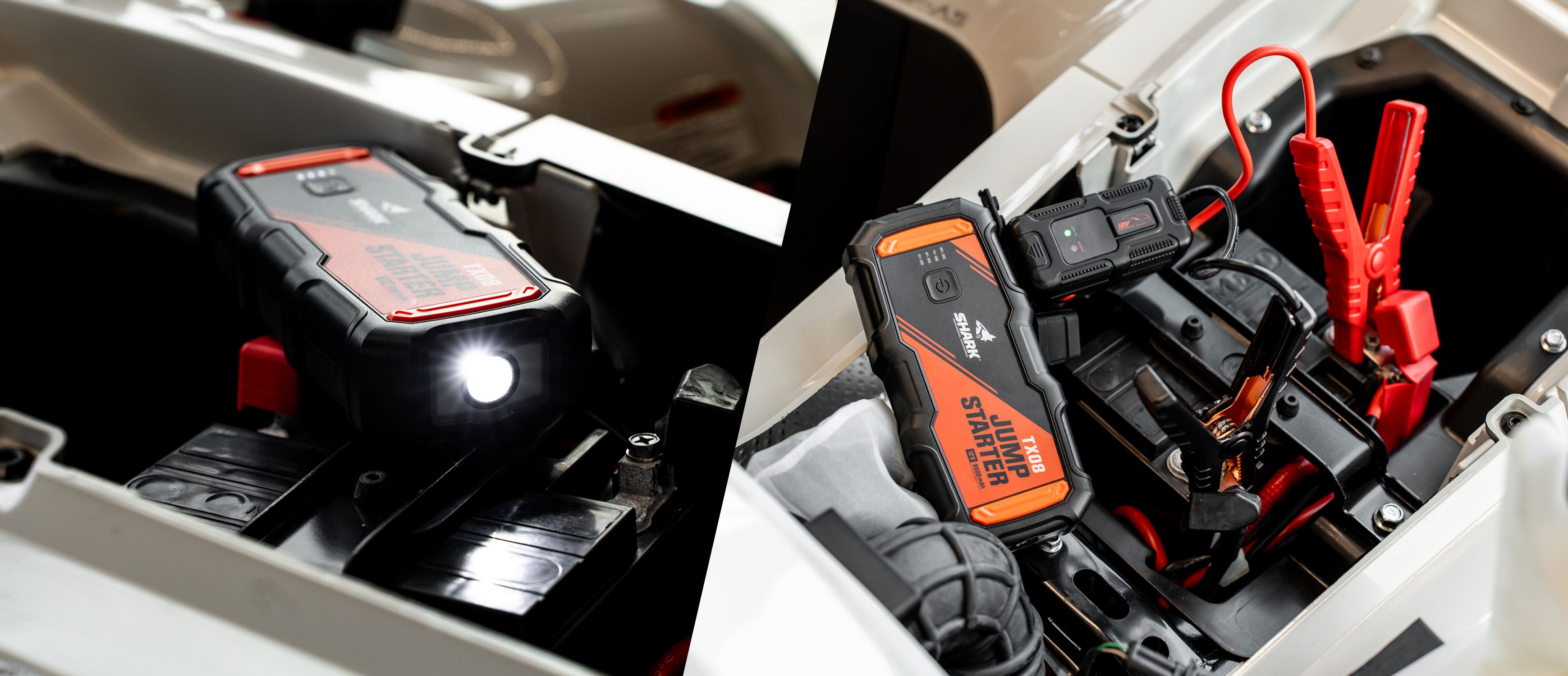
SHARK TX08: Practical Help on the Road
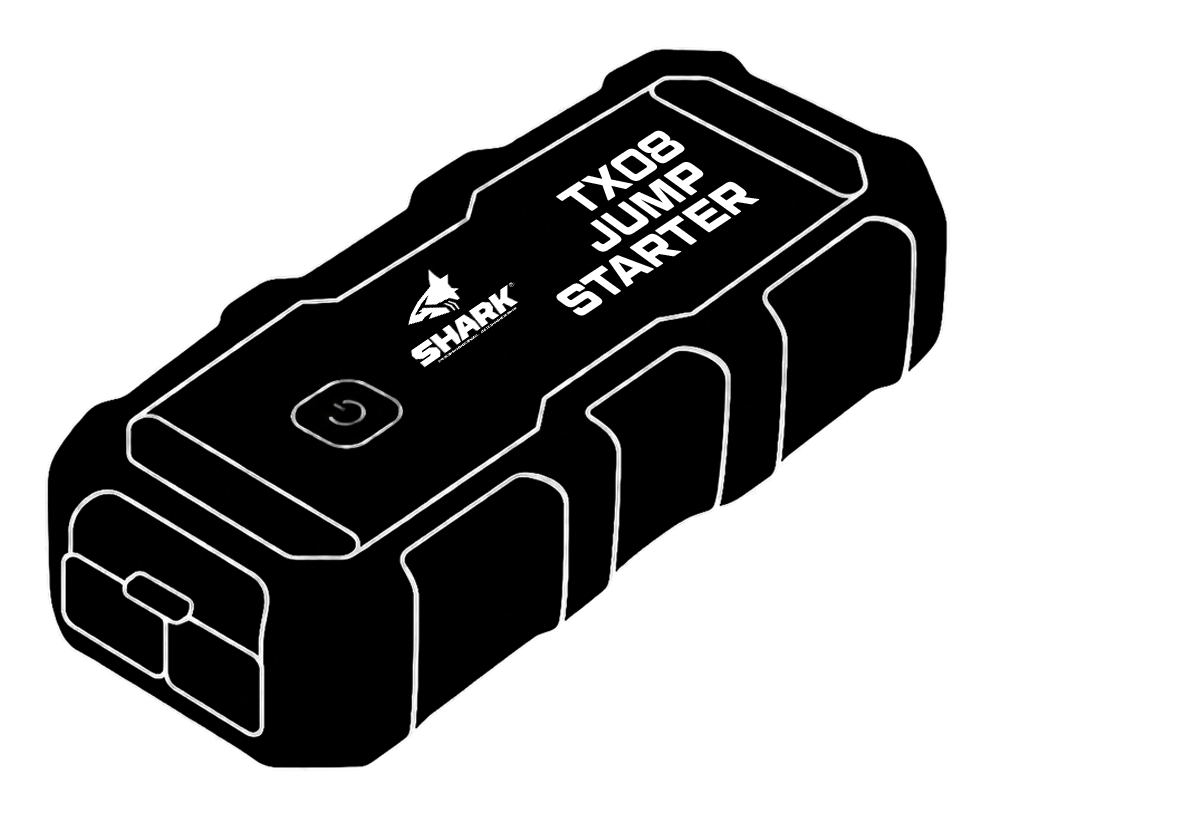 SHARK Jump Starter TX08 combines a jump starter with a portable power bank. It is designed for vehicles with 12V electrical systems and is suitable for gasoline engines up to 4.0 liters and diesel engines up to 3.0 liters.
It features an 8,000 mAh lithium-polymer battery and delivers a peak starting current of 1,200 A. Its compact size makes it easy to keep in your vehicle. The package includes smart jumper cables, a USB charging cable, and a carrying case. The power bank function allows you to charge compatible electronic devices with up to 18 W of power. The integrated LED flashlight with SOS and strobe modes is also useful in emergency situations.
For more information, visit the SHARK TX08 product page.
Why a Jump Starter Is Also Worth Having for Your ATV
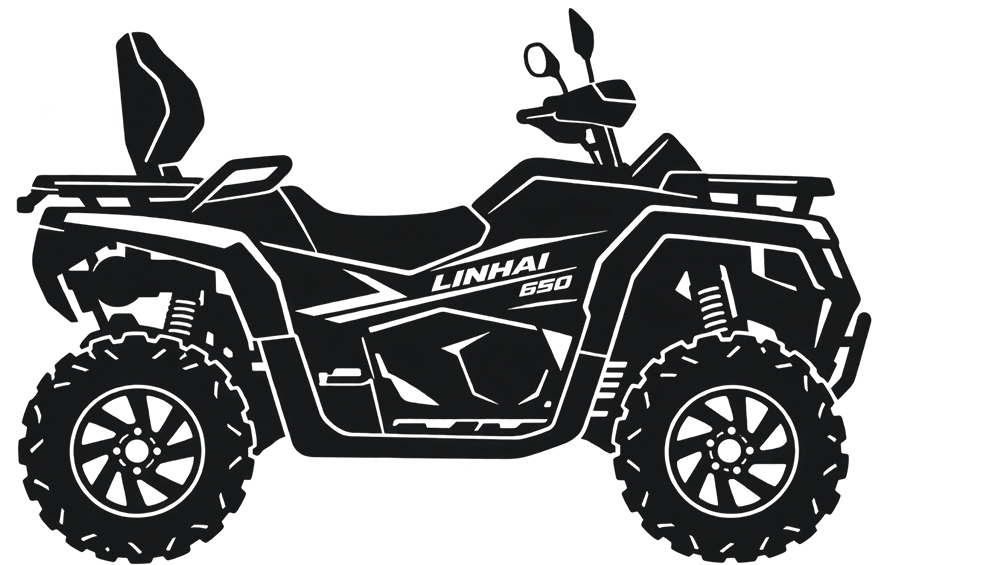 ATVs are often used on forest trails, farmland, or in locations where getting assistance from another vehicle may be difficult. They may also be used irregularly, so longer periods of inactivity can increase the risk of a dead battery. A portable jump starter can therefore be a useful addition to your equipment for both work and recreational riding. Before use, however, always verify that it is compatible with your specific ATV.
A jump starter doesn't replace battery maintenance. The best prevention is to check the battery regularly, recharge it with a suitable battery charger when necessary, and keep the electrical connections clean and secure. If the battery repeatedly becomes discharged, the cause may be a worn-out battery or a problem with the vehicle's charging system. A jump starter is primarily a backup for unexpected situations. Whether you're heading to work, setting out on a trip, or need to start an ATV in the field, having your own portable jump starter can save you unnecessary complications and waiting for assistance.
Take a closer look at the SHARK TX08 and be prepared for unexpected starting problems.